Miiyazuko Bunkrr: History, Architecture, and Legacy Explained 2025
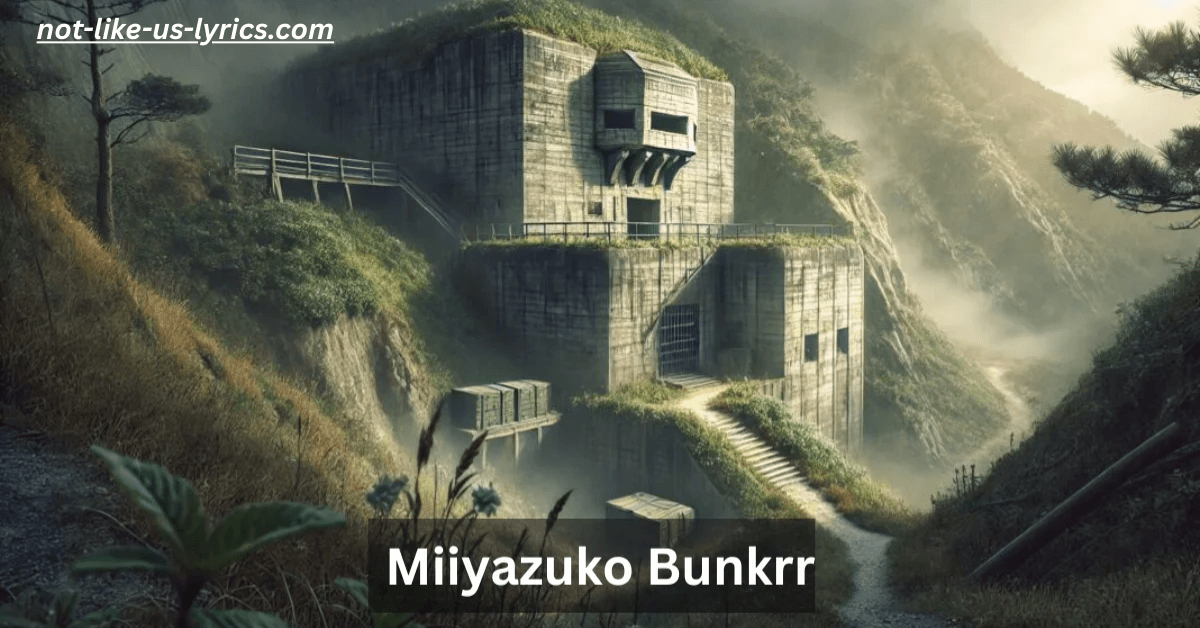
Deep within the Japanese mountains lies a hidden underground facility that continues to captivate historians, architects, and travelers alike—the Miiyazuko Bunker, sometimes referred to as the Miiyazuko Bunkrr. More than just a World War II bunker, this fortified structure symbolizes resilience, ingenuity, and cultural legacy. Built during one of the most tumultuous times in Japan’s wartime history, the bunker served as a subterranean command center, a refuge for the Japanese military command, and at times, even civilians seeking shelter from relentless air raids.
Today, this underground military base is more than a relic of conflict—it is an engineering marvel and a post-war peace symbol. Preserved through the dedication of historians, architects, government bodies, and private organizations, the Miiyazuko Bunker continues to inspire lessons in resilience, survival, and forward-thinking architecture. Whether you are fascinated by wartime relic preservation, underground architecture, or simply drawn to the stories of human resilience, the Miiyazuko Bunker is a monument worth exploring.
The Origins of the Miiyazuko Bunker / Bunkrr
The Miiyazuko Bunker was conceived during World War II, at a time when Allied forces intensified their aerial bombings across Japan. With the nation’s cities under siege, protecting the Japanese military command became a strategic necessity. Planners envisioned a fortified underground structure, hidden deep within the central Honshu mountains, capable of safeguarding operations against bombings and artillery strikes. This vision birthed the Miiyazuko Bunker—a safe haven not only for command but also for civilians during moments of crisis.
Its design went beyond a typical shelter. The bunker was an ambitious effort that combined Japanese wartime engineering with innovation. Unlike standard emergency shelters, it was built to function as a subterranean command center, fully equipped to sustain operations for prolonged periods. This foresight ensured that, even in the darkest days of war, leadership and survival could continue uninterrupted.
Key Milestones in Its History
From its construction to its rediscovery, the Miiyazuko Bunker has experienced several defining chapters. Initially, it served as a military refuge and emergency shelter. Its reinforced concrete design, paired with intricate ventilation shafts, provided not only physical safety but also the essential elements of survival underground.
After the war, the bunker faded into obscurity until rediscovered by historians and architects decades later. Their research highlighted the bunker’s architectural brilliance and historical value, sparking renewed efforts for wartime relic preservation. Today, the Miiyazuko Bunker stands as both a reminder of wartime sacrifices and a testament to peace, its legacy carefully protected by government bodies, private organizations, and researchers who understand its enduring cultural significance.
Architectural Brilliance Beneath the Surface
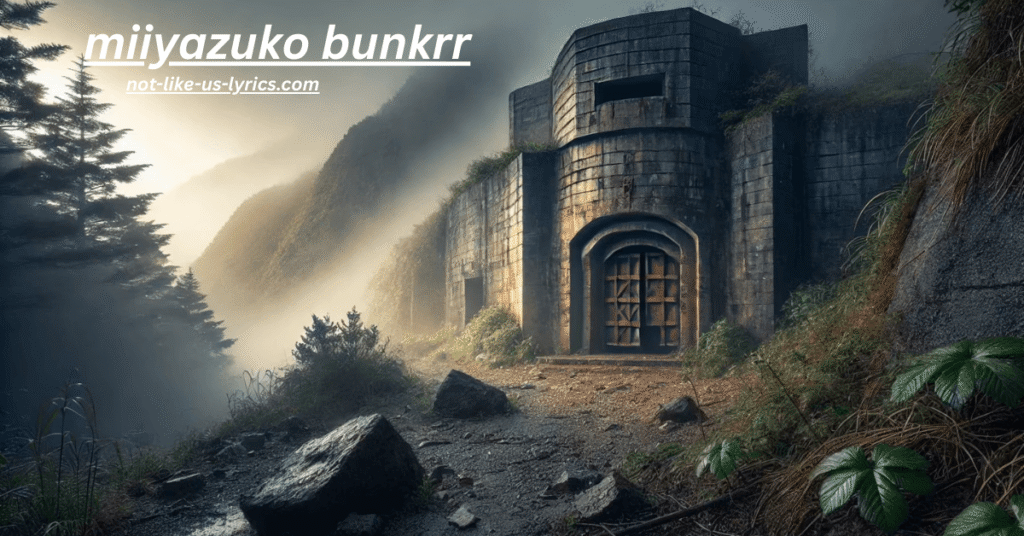
The Miiyazuko Bunker is often celebrated as a masterpiece of underground architecture. Concealed beneath natural landscapes, its design demonstrates architectural ingenuity and structural integrity unmatched for its time. Engineers strategically camouflaged entrances with natural rock and foliage, ensuring the facility remained invisible to Allied forces during wartime.
The brilliance lies not just in concealment, but in function. Built as a subterranean chamber complex, the bunker included dedicated areas for living, planning, storage, and emergency operations. Every inch reflected a combination of engineering marvel and practicality, ensuring preparedness for long-term occupancy even under extreme conditions.
Key Features of the Bunker’s Architecture
Among its most remarkable elements, the Miiyazuko Bunker boasts:
- Reinforced Concrete Structure: Built to withstand bombings, earthquakes, and pressure, ensuring structural integrity.
- Ventilation System: Intricately designed ventilation shafts provided fresh oxygen even during sieges.
- Living Quarters Underground: Compact, efficient living spaces offered both comfort and survival.
- Storage Facilities: Dedicated chambers stored food, water, ammunition, and medical supplies.
- Camouflaged Entrances: Hidden access points enhanced security, blending seamlessly with nature.
- Emergency Exits: Strategically placed escape routes ensured survival during catastrophic events.
These features highlight not only engineering foresight but also the profound lessons from history in preparedness and adaptability.
Why the Miiyazuko Bunker Matters Today
Though built in war, the Miiyazuko Bunker carries messages far beyond conflict. It embodies human resilience, cultural significance, and future preparedness. As climate change, geopolitical uncertainty, and global crises remind us of vulnerability, the bunker’s story resonates as a beacon of innovation and endurance.
Today, it serves as a cultural landmark where the past informs the future. Preservation efforts ensure that visitors, students, and researchers can continue to learn from this monument to resilience. By blending historical preservation with modern educational initiatives, the Miiyazuko Bunker remains relevant, inspiring architects, policymakers, and communities worldwide.
A Lesson in Resilience
At its core, the Miiyazuko Bunker is a story of survival. It illustrates how societies, even in dire times, harness creativity and engineering marvels to endure. For civilians who once found safety within its chambers, it was more than a shelter—it was a lifeline. For the Japanese military command, it symbolized continuity amid chaos.
Today, its resilience offers inspiration in facing new global challenges. From natural disasters to technological uncertainties, the Miiyazuko Bunker demonstrates the timeless value of preparedness and survival.
Architectural Inspiration
Modern architects study the Miiyazuko Bunker not only as a relic but as a source of architectural inspiration. Its compact subterranean chambers, efficient ventilation systems, and smart space utilization provide lessons for designing sustainable and disaster-resistant structures today.
As societies explore underground living, climate-resilient shelters, and future preparedness, the Miiyazuko Bunker’s legacy of wartime Japan serves as both a foundation and a guide for innovation.
Cultural and Historical Preservation
The Miiyazuko Bunker is not merely concrete and stone—it is a cultural and historical landmark. Preserving it ensures that future generations remember the sacrifices of World War II while cherishing the progress made toward peace. Government bodies and private organizations actively collaborate to maintain the bunker’s condition, balancing accessibility with preservation.
Through exhibitions, publications, and guided tours, the bunker also plays an educational role. It allows visitors to connect personally with history, understanding both the struggles of war and the triumph of resilience.
Preparedness for the Future
In an era of climate uncertainty and geopolitical tension, the Miiyazuko Bunker highlights the importance of future preparedness. Its design principles—robust fortified structures, sustainable resource management, and adaptive planning—remain relevant today. Planners and researchers look to such historical models when creating modern emergency shelters and green infrastructure.
The bunker’s legacy reminds us that preparedness is not about fear—it is about resilience, creativity, and hope for survival.
How to Explore the Miiyazuko Bunker Today
Visiting the Miiyazuko Bunker is an unforgettable experience. Nestled in the Japanese mountains, the site is open for underground tours in Japan, guided by experts who provide insight into its history and architecture. These tours offer access to key sections, from living quarters underground to strategic command centers.
Visitors are advised to book early, wear practical shoes, and bring curiosity. For those unable to travel, virtual tours and digital archives ensure global accessibility, allowing the world to engage with this extraordinary wartime relic preservation site.
Where the Past Meets the Future
The Miiyazuko Bunker stands at the crossroads of history and innovation. It reminds us of the sacrifices of war while inspiring visions of peace, sustainability, and survival. It is both a post-war peace symbol and a living classroom—teaching us about resilience, design, and foresight.
For students, architects, and history lovers, it offers lessons that transcend time. The Miiyazuko Bunker is proof that from the depths of conflict can arise not only fortified structures but also enduring symbols of humanity’s strength.
Origins and Purpose
Built during World War II, the bunker’s primary purpose was simple: safeguard leadership and sustain strategic military operations. Conceived as an underground military base, it provided security against the Allied forces’ aerial campaigns.
Its secondary purpose was deeply human—to serve as a refuge for civilians during bombings. In this dual role, the Miiyazuko Bunker became more than a facility; it became a hidden underground sanctuary, bridging military strategy with compassion for survival.
Engineering Marvel
The Miiyazuko Bunker remains a true engineering marvel. Its combination of reinforced concrete, multi-level design, and camouflaged access points demonstrates advanced Japanese wartime engineering. The ability to sustain hundreds of people for extended periods required not only physical strength but also logistical genius.
Even by modern standards, the bunker’s efficiency in ventilation, resource storage, and safety mechanisms is remarkable. This innovation secures its place as one of the most impressive Cold War bunkers and wartime facilities in Asia.
Layout and Features
Inside, the bunker reveals a world of thoughtful design. Central command rooms, lined with maps and communication systems, were surrounded by living quarters, kitchens, and medical facilities. Storage facilities housed food, water, and essential supplies, ensuring long-term survival.
Emergency exits, discreetly placed throughout the subterranean chambers, reinforced the commitment to safety. Together, these features made the Miiyazuko Bunker a self-sustaining fortress capable of withstanding both physical and psychological challenges of wartime.
Historical Significance
Beyond engineering, the Miiyazuko Bunker holds profound historical significance. It reflects Japan’s wartime history, the strategies employed for survival, and the resilience of its people. For the Japanese military command, it ensured continuity. For civilians, it provided refuge. For modern society, it is a monument to resilience.
Today, it stands as a post-war peace symbol, urging future generations to remember the consequences of conflict while striving for peace and reconciliation.
Preservation and Accessibility
The ongoing preservation of the Miiyazuko Bunker is a collaborative effort involving government bodies, private organizations, historians, and tour guides. Restoration projects focus on maintaining structural safety while enhancing visitor accessibility through modern amenities such as lighting and guided pathways.
Accessibility also extends beyond physical visits. Through publications, documentaries, and digital archives, the story of the Miiyazuko Bunker reaches global audiences, ensuring its lessons remain relevant worldwide.
Conclusion
The Miiyazuko Bunker is more than a hidden underground facility—it is a story of resilience, innovation, and cultural heritage. Born in war, preserved in peace, and celebrated in the present, it continues to inspire architects, historians, and visitors alike.
As a fortified structure hidden within the Japanese mountains, it speaks to the human resilience that shapes history and the engineering marvels that define survival. Whether explored physically or virtually, the Miiyazuko Bunker is a timeless monument where the past meets the future.
Frequently Asked Questions (FAQs)
1. Where is the Miiyazuko Bunker located?
The bunker is believed to be located in central Honshu, Japan’s mountainous regions, though its exact coordinates remain partially undisclosed for preservation.
2. Who used the Miiyazuko Bunker during World War II?
It was primarily used by the Japanese military command, but also served as a refuge for civilians during air raids.
3. What makes the Miiyazuko Bunker unique?
Its combination of reinforced concrete design, ventilation systems, subterranean chambers, and camouflaged entrances made it one of the most advanced underground military bases of its era.
4. Can tourists visit the Miiyazuko Bunker today?
Yes, guided tours are available, allowing visitors to explore sections of the bunker and learn about its history through expert insights.
5. Why is the Miiyazuko Bunker historically important?
It stands as a wartime relic, a post-war peace symbol, and a reminder of the lessons from history—highlighting resilience, ingenuity, and cultural preservation.
read more: Zaxoswerhez